Repair Rural Bridges to Protect Sabah’s Schoolchildren and Villagers


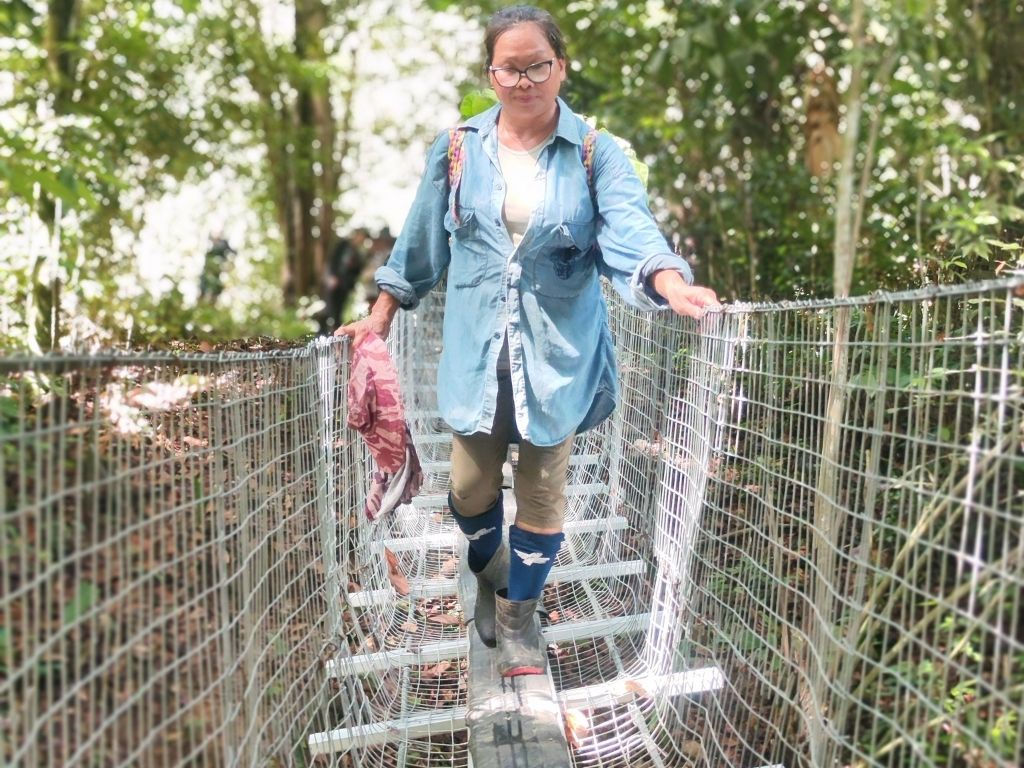


Repairing Rural Bridges for Safer Community Access in Sabah
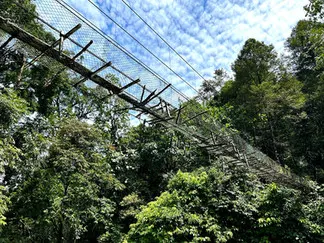
In Sabah's rural areas, the geography is mountainous, with rivers cutting through villages. For the people living there, suspension bridges are vital for daily life—children rely on them to get to school, and farmers use them to access their farmland.
Here are some stories highlighting the daily struggles faced by children and villagers, without having a proper bridge.
1) Discover the 8 shocking and dangerous ways students in Malaysia risk their lives just to attend school.

2) Discover how the collapse of the only route to town left 4,000 villagers from 5 villages completely stranded.

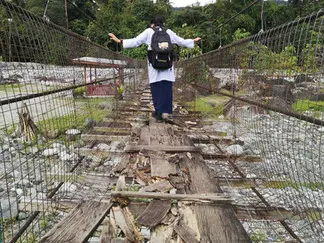
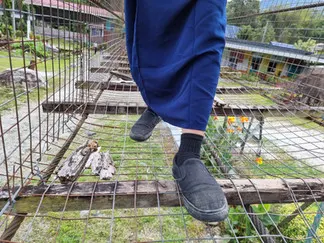
Unfortunately, these bridges are often neglected, and harsh weather takes a toll, causing decayed wooden planks and unstable structures that pose serious safety risks, especially during extreme weather conditions.
Our team has visited many rural villages in Kota Belud area, and we rely on these bridges ourselves to reach these communities. At times, we’ve felt unsafe crossing due to their fragile and deteriorating condition.


Why This Matters
To ensure the safety of rural communities, we’ve taken it upon ourselves to repair these essential bridges. Here’s how we approach it:
Assess the Condition:
We visit the villages to inspect the bridge's condition, including wooden planks and structural integrity.
We interview villagers to understand their concerns and needs.
Collaborative Repairs:
Villagers help by collecting used tires, which are then cut into specific sizes for bridge steps.
We purchase additional essential materials like galvanized wire and purlins to replace broken parts.
Skilled villagers lead a gotong-royong (community effort) to repair or reconstruct the bridge, fostering a sense of responsibility and ownership.
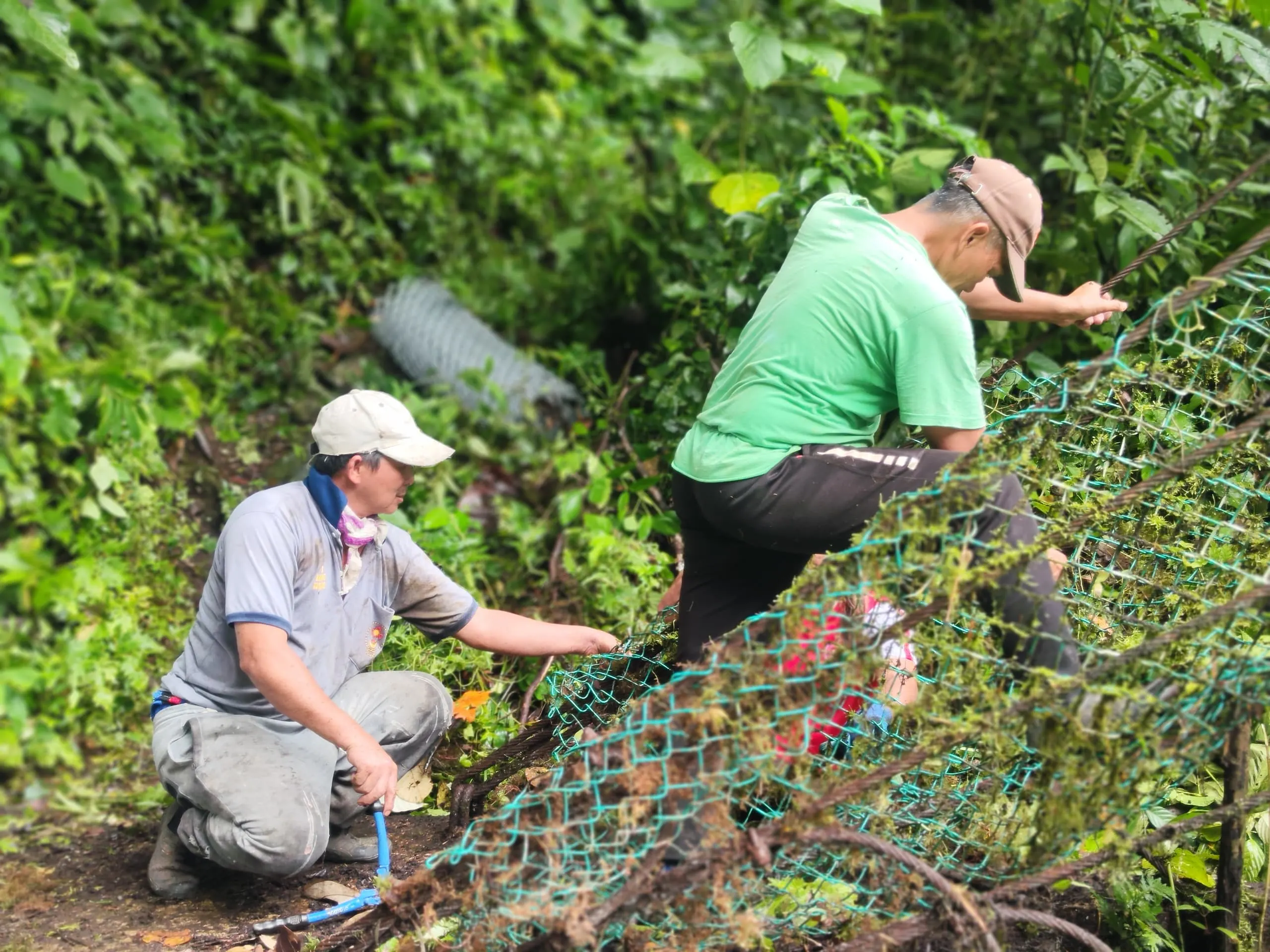 Rural villagers working together to repair the bridge.
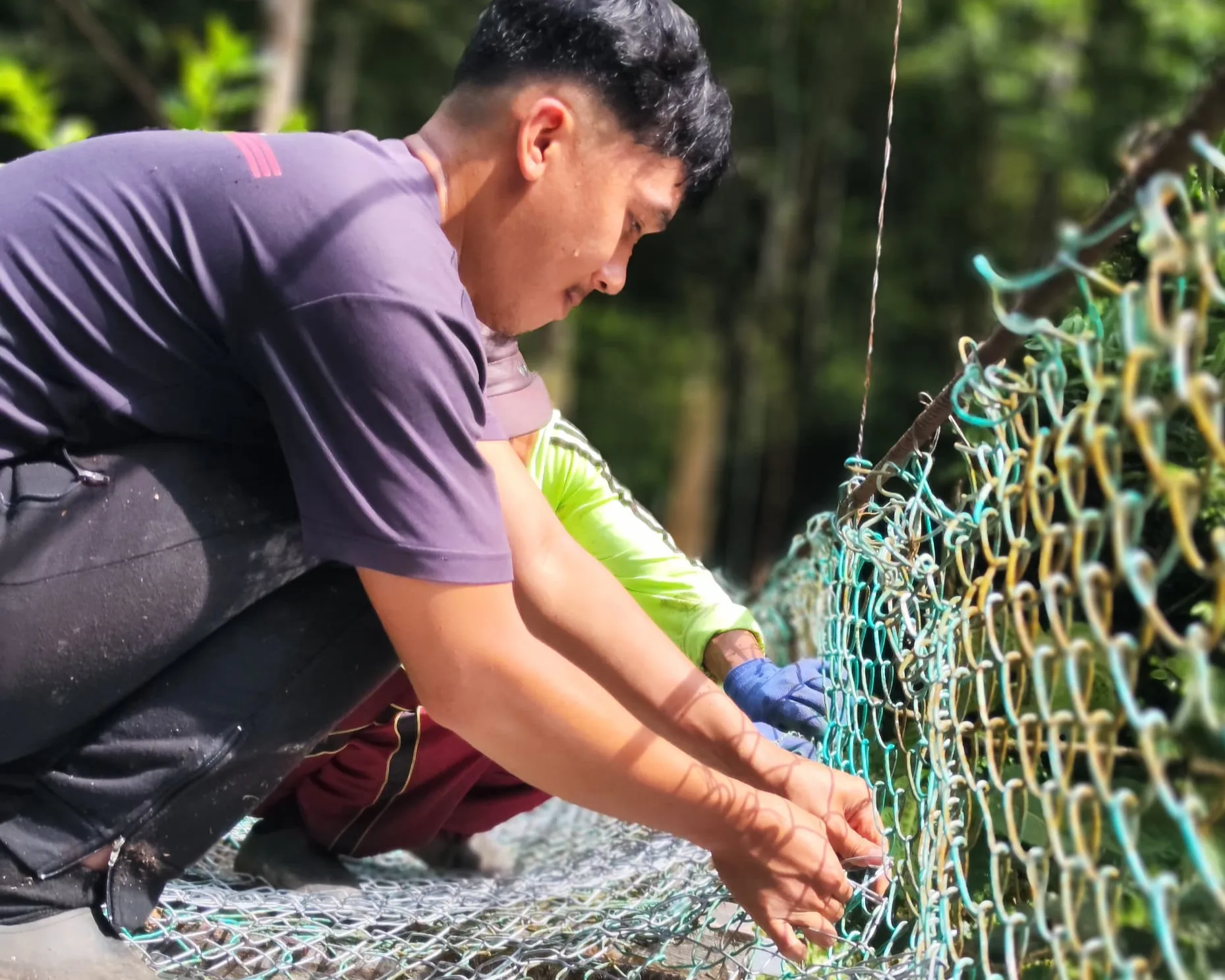 Rural villager replacing the wire mesh on the bridge.
 Bridge materials arrive at project site.
 Villagers working together to cut recycled tires for their community bridge crossing path.
 Rural villagers collaboratively cutting recycled tires for the bridge path.
 Villagers working together to replace the bridge’s wooden planks.
 Rural villager inspecting the newly replaced wire mesh before laying down the wooden planks.
 Rural women assisting in cutting recycled tires for the bridge project.
 Rural women assisting in transporting wood planks to the bridge site during the project execution.
 Rural villager cutting recycled tires for use in the bridge project.
 Rural villager replacing the old wire mesh on the bridge.

Using tires as stepping platforms is a safer, more durable solution than wood, though it’s a challenging process that involves collecting, transporting, and cutting the tires to size. Still, the result is a safer bridge that serves the community for years to come.
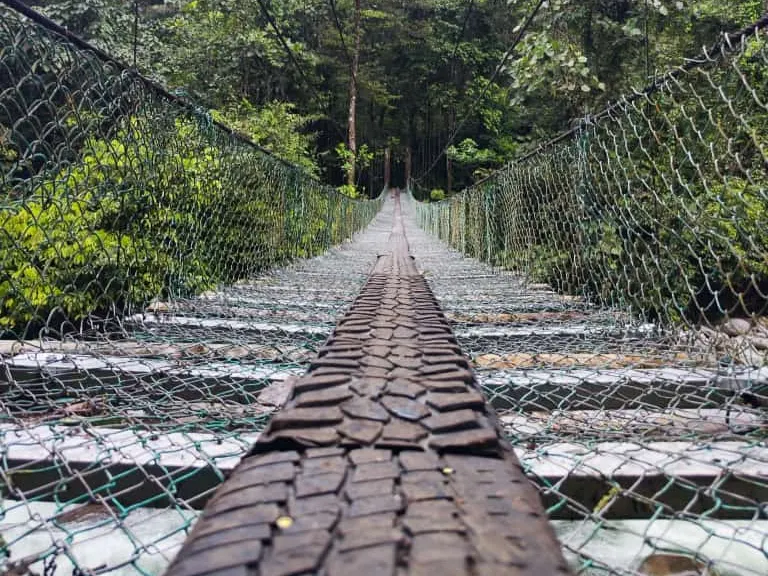 Recycled tires laid on top of the bridge, ensuring better stability and preventing slipperiness.
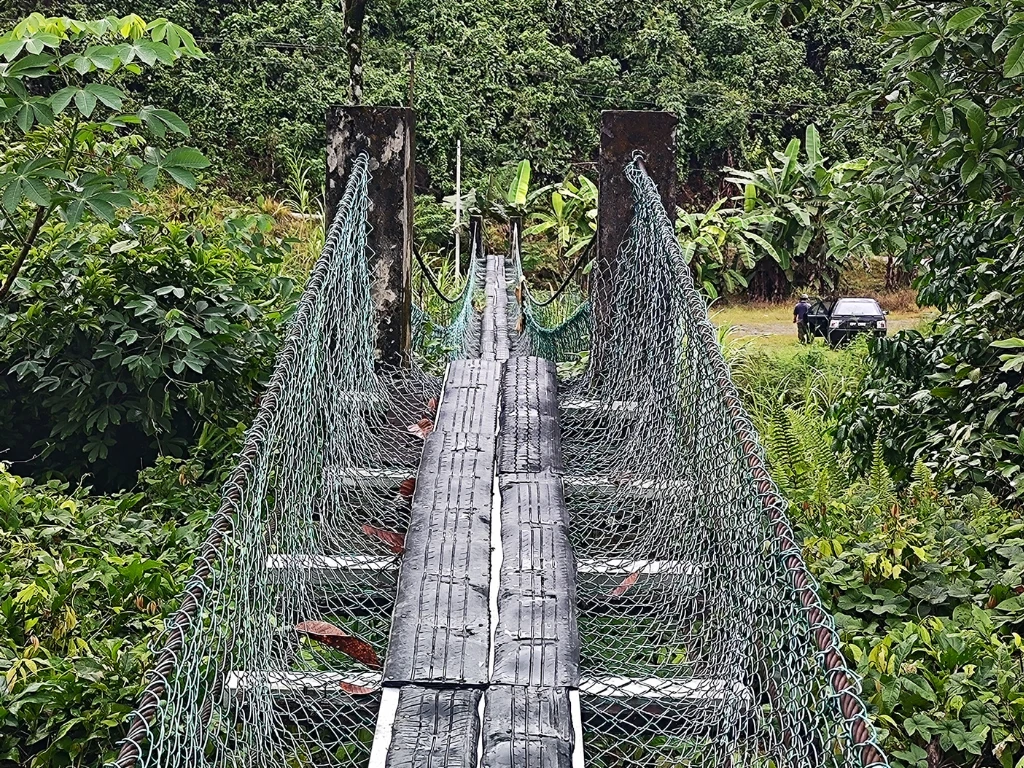 Strengthening bridges with recycled tires offers a sustainable, waste-reducing solution.
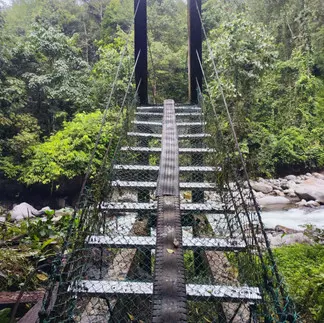 Recycled tires boost bridge stability while offering an eco-friendly solution by repurposing waste.
How Corporate Volunteers Contribute
Corporate volunteers can take part in on-ground rebuilding activities by working alongside villagers throughout the repair process.


This includes helping transport materials, carrying bridge components to remote locations, preparing repair materials, and supporting the rebuilding of damaged bridge sections together with the community.
These shared experiences not only contribute to safer rural access, but also create meaningful connections between volunteers and the communities they work alongside.
Building Safer and More Connected Communities
Rural bridges are more than just physical structures. They are important connections that support education, livelihoods, and daily life within the community.
Through collaborative rebuilding efforts and long-term community involvement, this programme helps create safer and more reliable access for rural families across Sabah.
Update 32
Swipe to see the transformation of Jambatan Lakang! 😍❤️


For years, villagers had to cross an aging bridge, often worrying about the safety of their children, especially during bad weather and when river currents became stronger.
Today, things are different.
With a safer and more stable structure in place, families, schoolchildren, and farmers can now cross with greater confidence and peace of mind.
What was once a daily concern has become a safer connection for the people who rely on it every day.
A simple improvement, but one that makes a meaningful difference in everyday life!
Update 31
In many of the rural bridge initiatives we work on, old tyres are given a second life!
Instead of letting them end up in landfills, we repurpose them into durable bridge pathways for villages that rely on these crossings daily.
Tyres are strong, flexible, and resistant to rain — making them a practical solution for rural bridges where wooden planks often rot or break.
By turning waste into a useful building material, communities can create safer crossings while reducing environmental waste at the same time.
Update 30
Look at them carrying a huge roll of chain link for their community's bridge project... and still smiling along the way!
No machines.
No shortcuts.
Just a group of villagers working together, one step at a time.
The roll was heavy, the path wasn't easy, and getting the materials to the bridge site took real effort. Yet somehow, the mood stayed light.
Moments like these always inspire us.
They remind us that community projects aren't just about building bridges or improving infrastructure. They're about people coming together, helping one another, and working towards a shared goal.
And perhaps that's what makes these moments so special. Not the materials being carried, but the people carrying them together❤️
Update 29
Have you noticed what the villagers are carrying behind their backs? 🎒👀

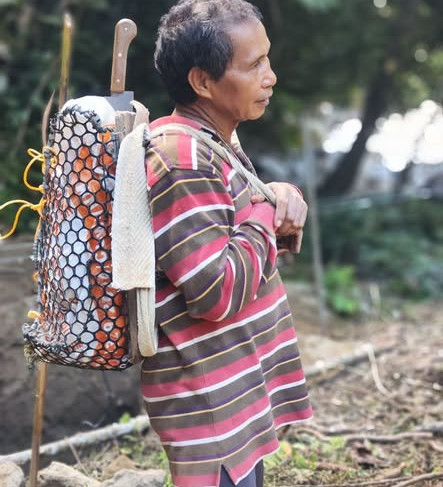


It's called Salabit.
If you've spent time in a Sabah village, chances are you'll see one before.
Whether it's carrying padi, farming tools, bridge repair materials, daily necessities, or freshly harvested vegetables, the Salabit has been helping villagers transport heavy loads for generations.
What we find most interesting is that many of them aren't even bought.
Instead, villagers often make their own using materials they already have, turning something unwanted into something useful just like what they did here! 🤩
Simple as it may seem, it makes carrying heavy items across hills, muddy paths, and uneven terrain much easier.
It's one of those little things that reminds us how resourceful rural communities are.
They don't always need fancy equipment or expensive tools. Sometimes, all it takes is a practical idea, a bit of creativity, and making the most of what's available!
Update 28
Here's a closer look at the before and after transformation of Jambatan Tampasak! 👀
What was once a fragile and risky crossing has now become a safer, more reliable pathway for the villagers who depend on it every day.
We're incredibly proud to have played a part in helping restore this important connection!
Be sure to check out the testimonial from John, one of the villagers, as he shares what life was like before the bridge was rebuilt and the difference it has made for everyone today.
More than just a bridge, it has created a safer journey to school, easier access to farms, and a stronger connection between families and the opportunities they rely on🌉💪
Thank you to everyone who supported this journey and helped make it possible❤️
Update 27
Good news, the Tampasak bridge in Kampung Sayap has finally been rebuilt, now with a stronger and safer structure!
Take a look at the transformation 👇

This bridge is the only direct connection between Kampung Sayap and the outside world.
Every day, 70 to 80 villagers rely on it, especially students and farmers (refer to Update No. 20 for more on the previous condition).
Before it was rebuilt, the old bamboo structure was fragile and unstable. Each step felt uncertain, especially during the rainy season and at night, some even slipped and fell from the bridge.
Today, things are different.
Rebuilt with galvanised metal for better grip and fitted with sturdy handrails on both sides, the bridge now provides a safer and more stable path for the entire community.





This means that they no longer have to cross with fear or hesitation, but with greater confidence!
Update 26
What used to be a risky crossing… is now a path they can rely on.
Look at the transformation of Kampung Bukit Bendera from Before and After 👇

Before it was rebuilt ( as shared in Update No. 9 ), the structure was worn out and unstable. Loose planks, uneven footing, and constant wear made every crossing uncertain for 30 families who relied on it daily.
Today, that has changed!
Rebuilt with stronger, more sustainable materials, it now provides a stable and secure path for the entire community.
What was once a daily risk… is now a safer journey forward!
Update 25
Meet Puan Sungkim, one of the most enthusiastic and dedicated villagers from Kampung Bukit Bendera, Kota Belud!


When it came time to repair the community bridge, she didn’t hesitate to step forward. Working alongside others, she stayed involved every step of the way from physical labour to supporting the team throughout the process.
In this village, what stands out isn’t just the work itself, but the spirit behind it. Men and women step up together, facing challenges side by side, each playing a role in building something better for their community.
Through her commitment, resilience, and willingness to contribute, Puan Sungkim is a reflection of what true community strength looks like.
Because real change isn’t given, it’s built together!
Update 24
The Kampung Titimbuon Bridge is finally completed, bringing safer access back to the community!

Previously, the damaged bridge made it difficult and risky for villagers, especially farmers who needed to cross it regularly to reach their farms. One of them was Puan Deina, who once fell while crossing the bridge with her harvest. She was injured and lost everything she was carrying that day.
Now, with the newly repaired bridge, Puan Deina and other villagers can cross safely and with peace of mind, without worrying about slipping or falling while carrying their harvest or farming tools.
This improvement means a safer daily journey for the community and better access to their farms and livelihoods.
Update 23
Here’s a quick look at how we helped rebuild Kampung Pinapakan Bridge to create a more stable and sustainable path for the community.

What do you think?
Update 22
Big News From Kampung Pinapakan!
We are happy to share that the Pinapakan Bridge has been successfully rebuilt together with the local community.
Previously, the damaged bridge made it difficult and risky for villagers to cross, especially during rainy days. With the reconstruction efforts, the community now has a more stable and safer path for their daily journeys!
Check out below to see the before-and-after comparison of the bridge.

Also, look at the video of the young schoolchildren happily crossing the bridge now!
A small moment that shows just how meaningful this improvement is for the community.
Update 21
Remember Kampung Titimbuon from Update No.16, where the villagers received the materials needed to begin repairing their bridge?
We’re happy to share that they are now halfway there. The structure of the new bridge is finally coming together, and the villagers have been working hard to assemble the pieces step by step.


Day by day, the community is putting in their effort to rebuild the bridge so that they can once again travel safely to their farms and carry out their daily activities without the risks they previously faced.
It’s inspiring to see the villagers come together and work hand in hand to rebuild something so important for their community.
Stay tuned for our next update as the bridge gets closer to completion.
Update 20
For most students, getting to school starts with a bus ride or a short walk.
For Lester and his friends in the community, it starts with crossing an unstable bamboo bridge.


This fragile Tampasak bridge is the only direct connection between Kampung Sayap and the outside world. Every day, 70 to 80 villagers rely on it — including students heading to school and farmers carrying heavy harvests to their farms and markets.




Rain or shine, they rely on it. The bamboo planks have weakened over time, and the bridge shakes with every step. One slip could mean falling into the fast-flowing river below. During the rainy season, the danger increases as the water level rises and the current becomes stronger.
Is there another way to cross?
Yes, but it means walking 30 minutes to an hour through the jungle, carrying heavy school bags or farm produce, just to reach school or daily necessities.
This is the reality many rural families in Sabah live with every day, not just in one village, but across many rural communities throughout the state.
Update 19
Latest Update from Kg Bukit Bendera!
With the newly repaired bridge, Sameon and his community now have a safer way to reach their farms, schools, and other necessities. What used to be a risky daily crossing is now a reliable path, giving families more time and peace of mind to focus on their work, their loved ones, and their community.
This is how access and safety can make a real difference to livelihoods💪
Update 18
Remember Encik Meduit from Kg Ponohuan, Sayap? (from update no.14)


We have good news to share!🥳
He and his community have already started their bridge project! The first step? Digging those huge holes you see in the photos.


Why so big? Because strong bridges need strong foundations. These deep holes will hold the pillars that carry the bridge, making sure it’s safe and long-lasting for everyone who will use it.
Update 17
There’s a Chinese saying: 靠山吃山,靠水吃水 — live by the mountains if you’re near the mountains, live by the waters if you’re near the waters.
For women in rural villages, survival means exactly that. They work the land from dawn till dusk, crossing fragile bamboo bridges every day — rain or shine, without hesitation. For them, there is no other option.
In the city, most of us never face this kind of reality. We don’t walk these paths or feel the uncertainty of each step. But for these women, resilience isn’t a choice — it’s life itself.
That’s why our work begins with listening to communities, walking beside them, and building strength together. Because real change grows from understanding, trust, and shared determination — the same spirit that keeps these women moving forward every single day.
Update 16
Remember Kampung Titimbuon (from Update 12 )?
We managed to source and deliver the materials needed to begin repairing their bridge!
The moment the materials arrived, the villagers didn’t wait — they rolled up their sleeves and got to work.


Some began cutting recycled tires, while others carried galvanized steel and materials to the site. Together, they worked hand in hand to rebuild what connects them all.
Update 15
In rural Kota Belud, discarded tires are finding a new purpose — transformed into sturdy bridge paths that connect entire communities!

Before construction begins, villagers work together to collect old tires from nearby shops. Once enough are gathered, they’re cut and layered to form the strong foundation of bridges linking homes, schools, and farms.


It’s a simple yet brilliant way to keep waste out of landfills while protecting the planet.
And here’s the best part — these bridges aren’t just eco-friendly, they’re built to last. Rain or shine, they remain strong, safe, and require minimal maintenance, serving as reliable passageways for families every day!
Update 14
Imagine having to risk your life just to reach your farm every single day.


That’s what Uncle Meduit and his village face. Their only bridge — old, broken, and worn down by time, is the one thing that connects them to their farms, schools, and daily needs.
When the river rises, it becomes a life-or-death decision: cross it and risk being swept away, or stay home and lose their income.
In rural Sabah, a bridge isn’t just a crossing. It’s the lifeline that keeps families connected to food, education, and opportunity. But for Uncle Meduit, that lifeline could give way at any moment.
You might be wondering — can’t they take another way?
Their only alternative is crossing a deep river with powerful currents that can easily drag someone under (just like the video below).
And during the rainy season, it gets even worse. The river swells, the current grows stronger, and crossing safely becomes nearly impossible.
Every trip is a gamble. One wrong step could cost a life. But without a bridge, what choice do they really have?
Uncle Meduit isn’t the only one facing this. Mothers, children, and elders walk these same risky paths every day — just to get to school, their farms, or a source of clean water.
Update 13
Kampung Pinapakan community is one step closer to a safer, stronger path to their farms, schools, and livelihoods!

Cement foundations are now in place, marking a huge milestone — but the bridge isn’t finished yet, stay tuned for more updates!
Update 12
For the villagers of Kg Titimbuon, crossing the river has become a daily risk.
When their main bridge broke down, they built a simple bamboo one — not because it’s safe, but because they had no other choice.

The old bridge still stands, but it’s falling apart. The wood is loose, the ropes are worn, and the gaps are wide.

The bamboo bridge shakes with every step, especially when farmers try to carry their harvests across.
Most would rather risk crossing the river while carrying their harvest — because with one wrong step, they could lose everything if they use the bamboo bridge.
For most of us, a bridge is just something we walk over. But here, it means so much more!
It’s the only way for children to get to school, for farmers to reach their crops, and for families to stay connected.
Update 11
Guess what just arrived in Kampung Pinapakan?
The first batch of bridge repair materials is finally here! 🙌
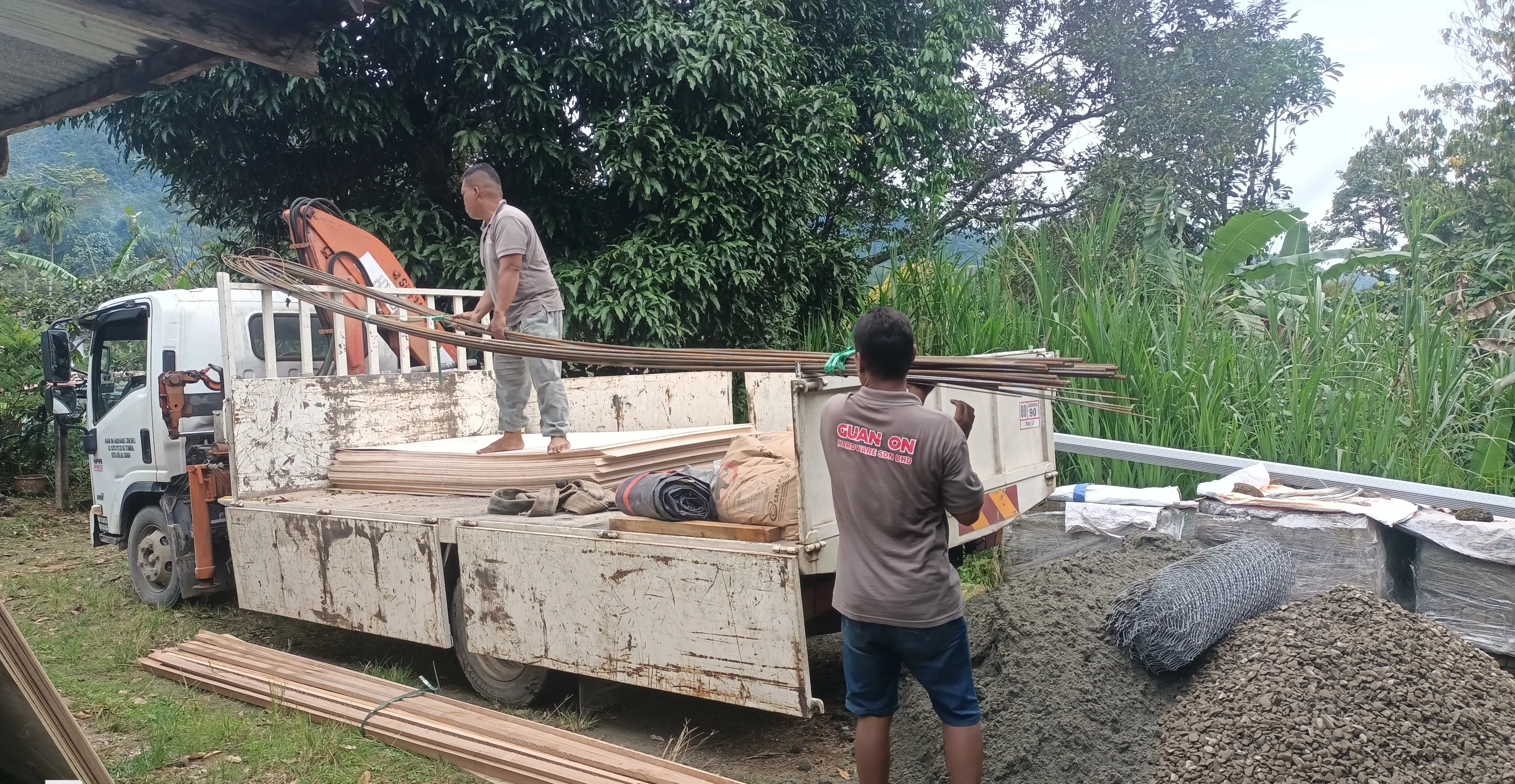
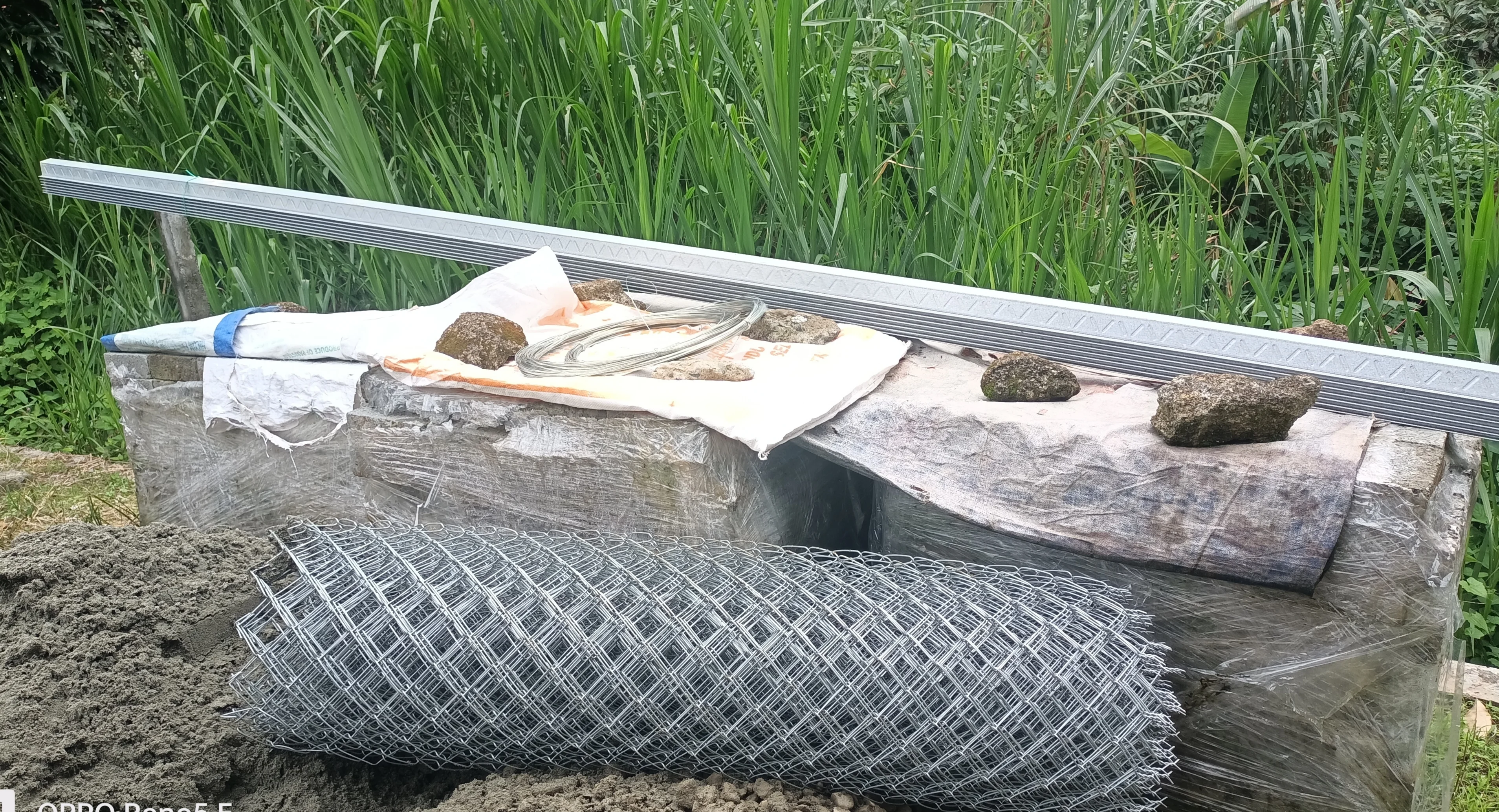
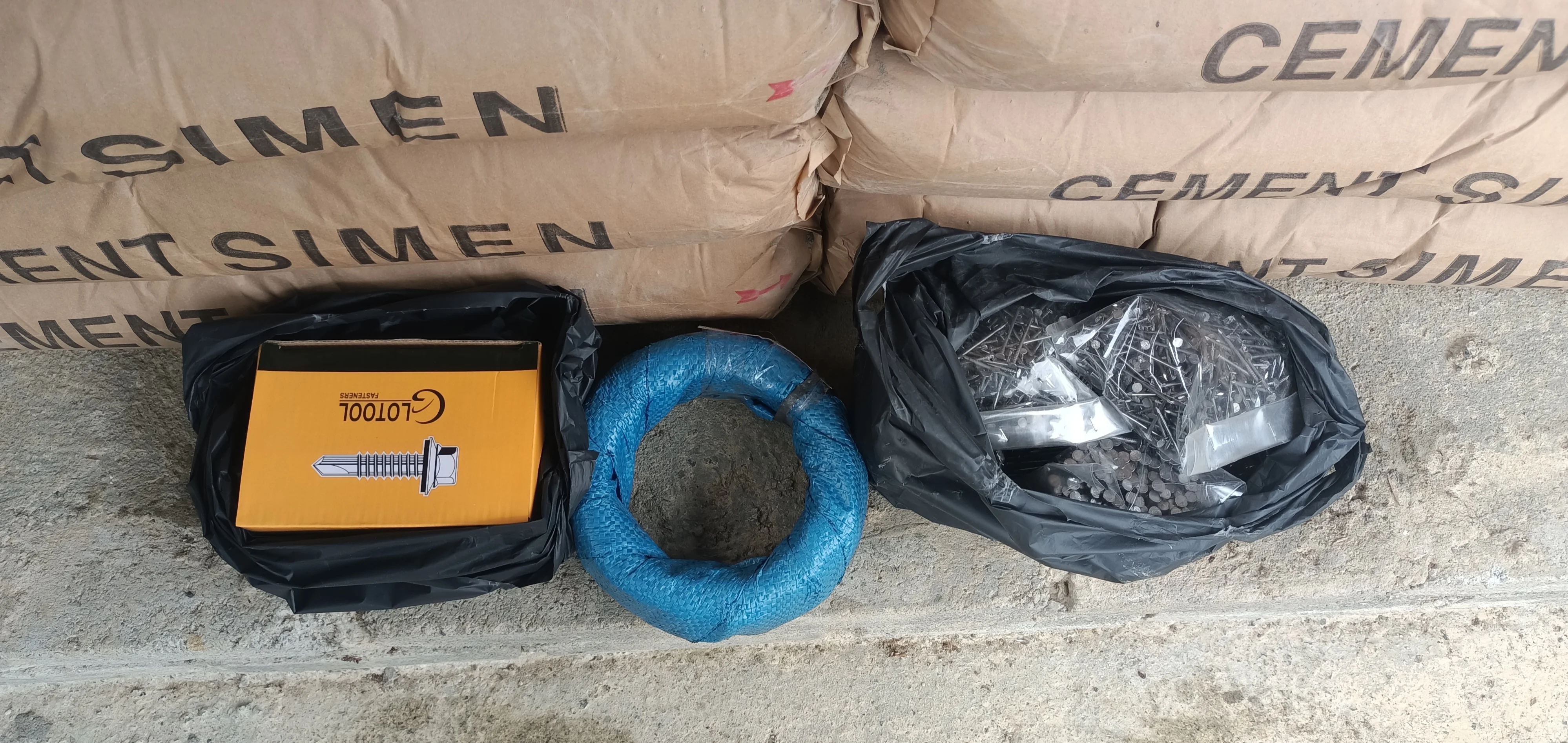
Right after the delivery, the villagers rolled up their sleeves and got to work. Out went the old, rusty, broken planks… and in came the new materials. One by one, they’re piecing the bridge back together.
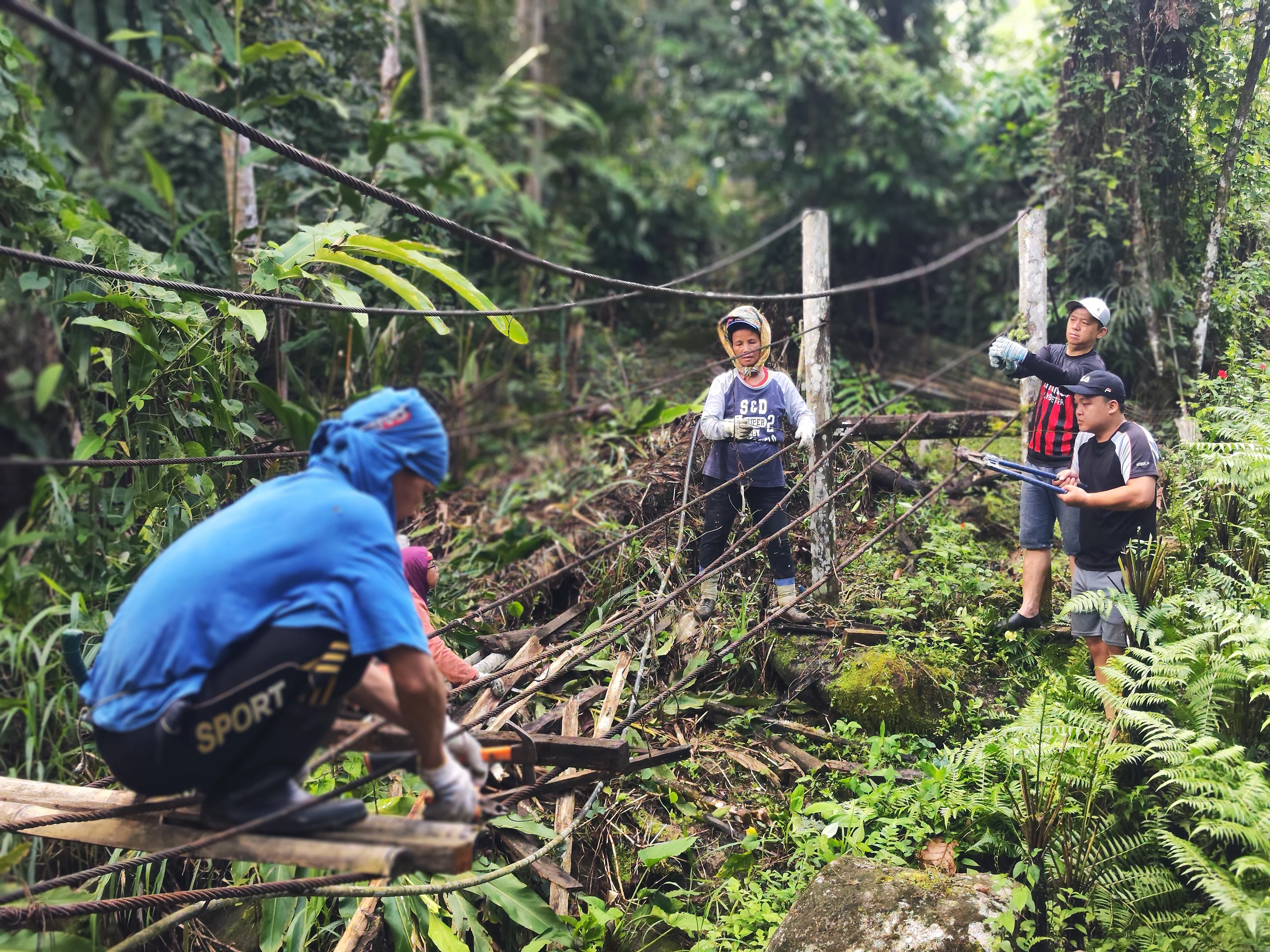
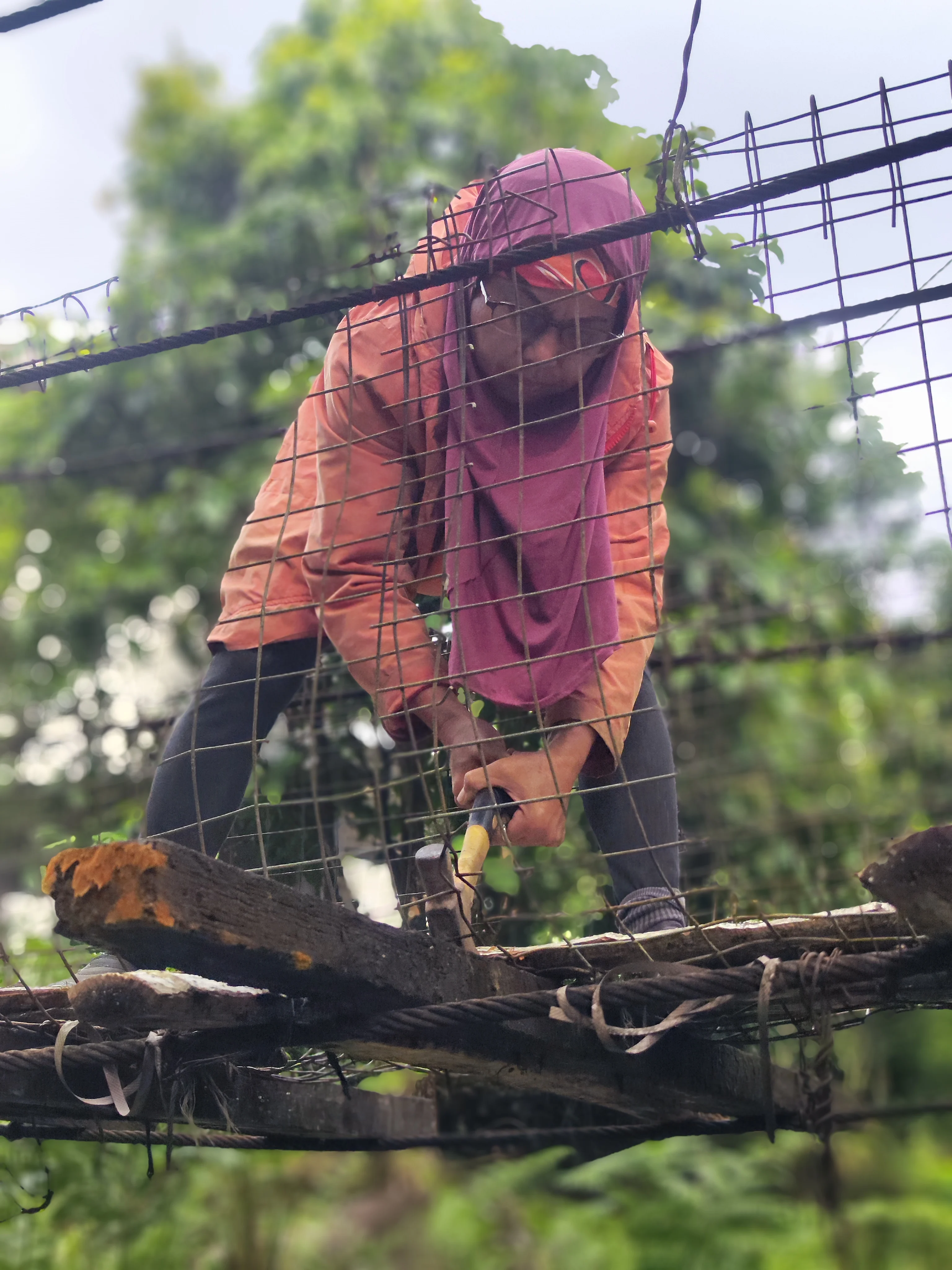
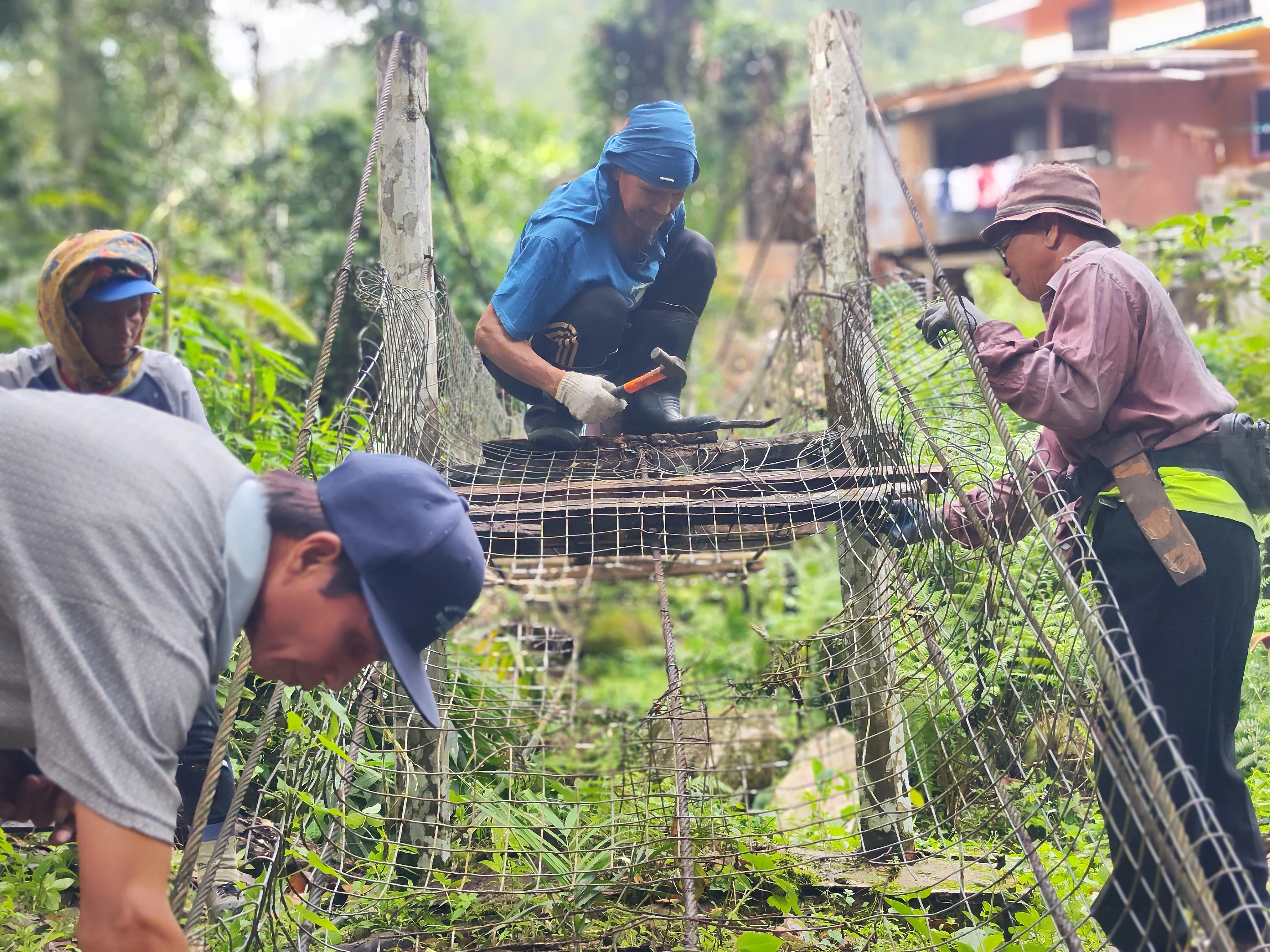
This bridge isn’t just a way to cross the river — it’s their lifeline. It’s how they reach their farms, get water, and send their kids to school safely.
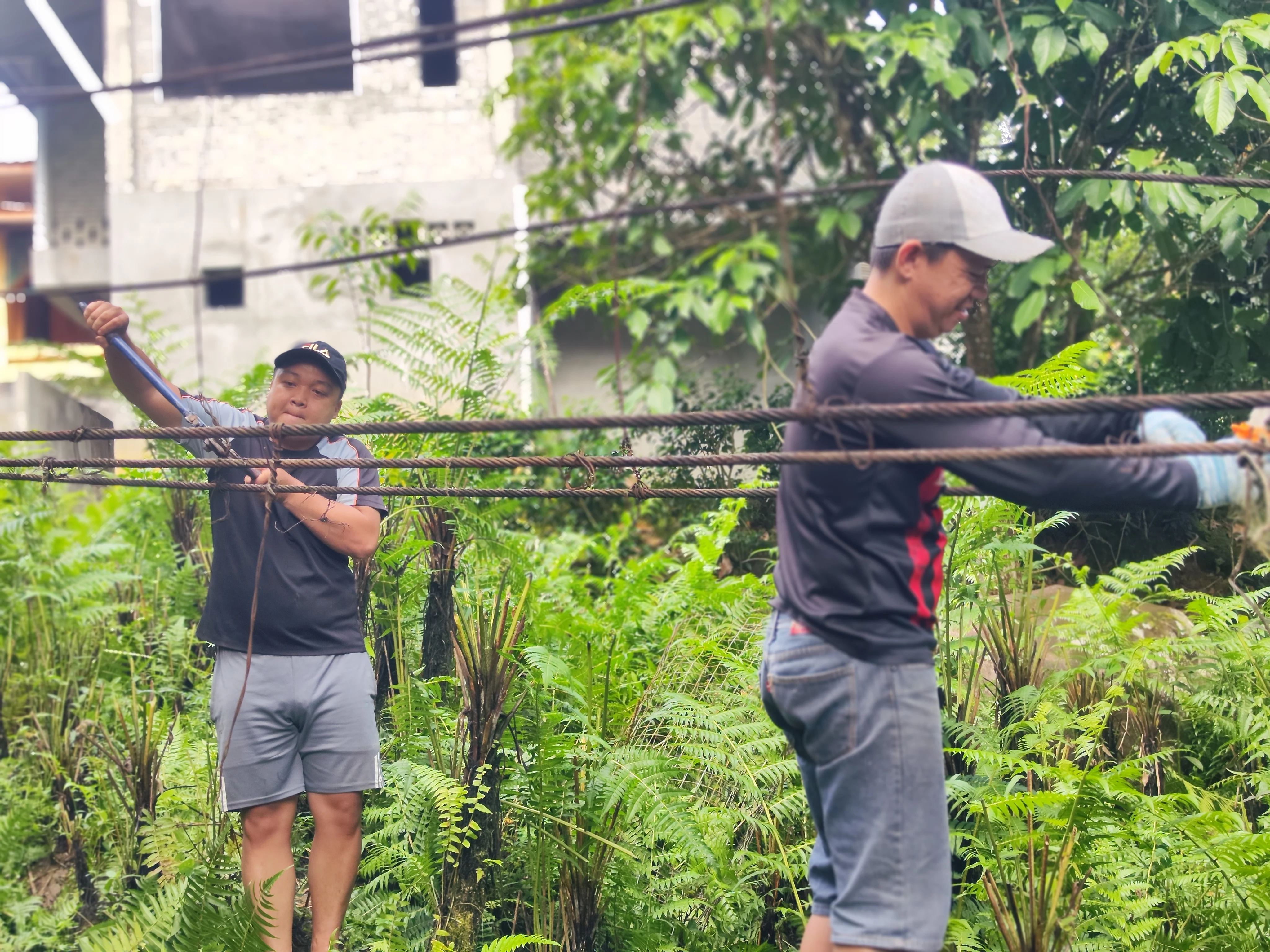
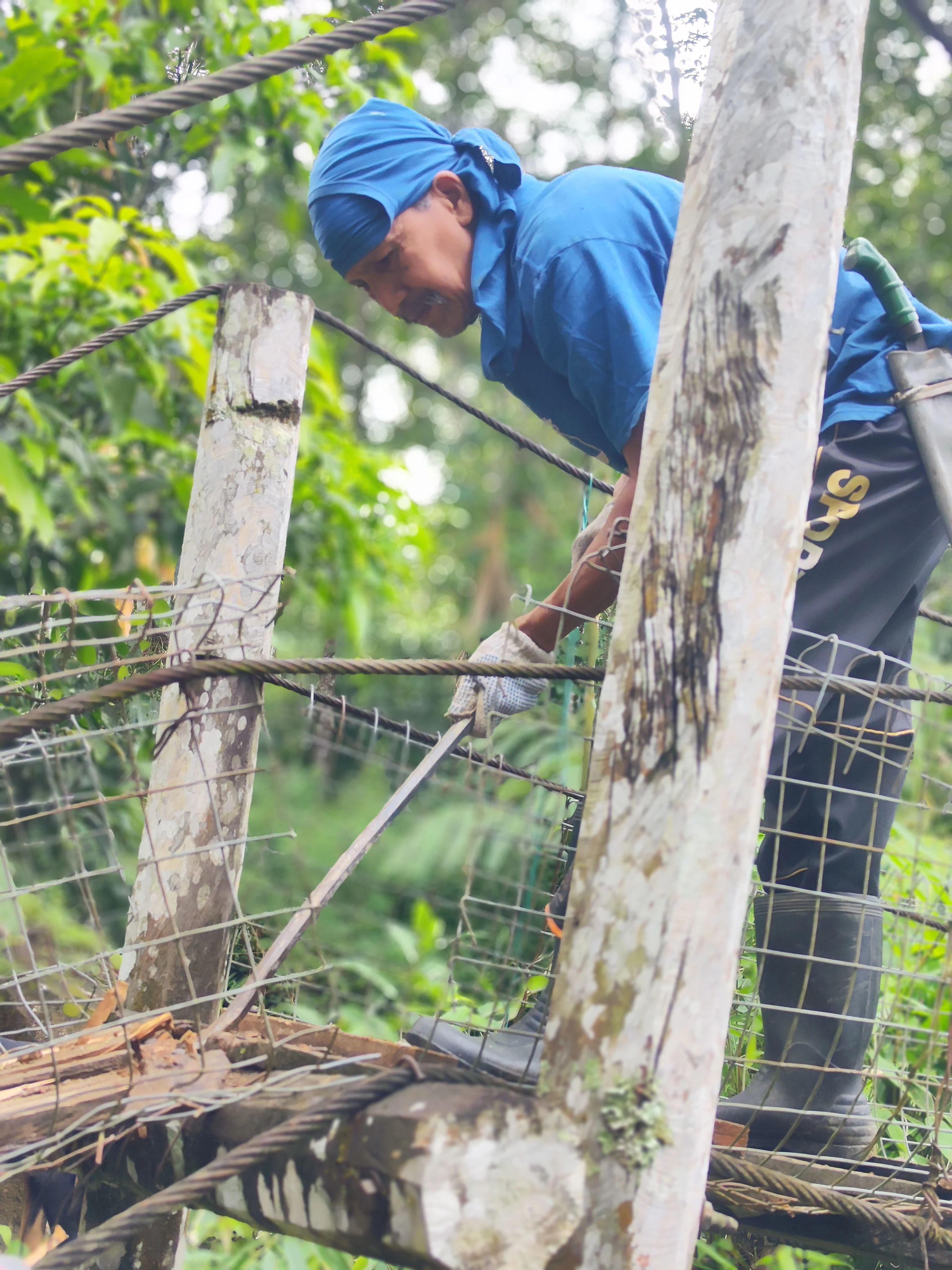
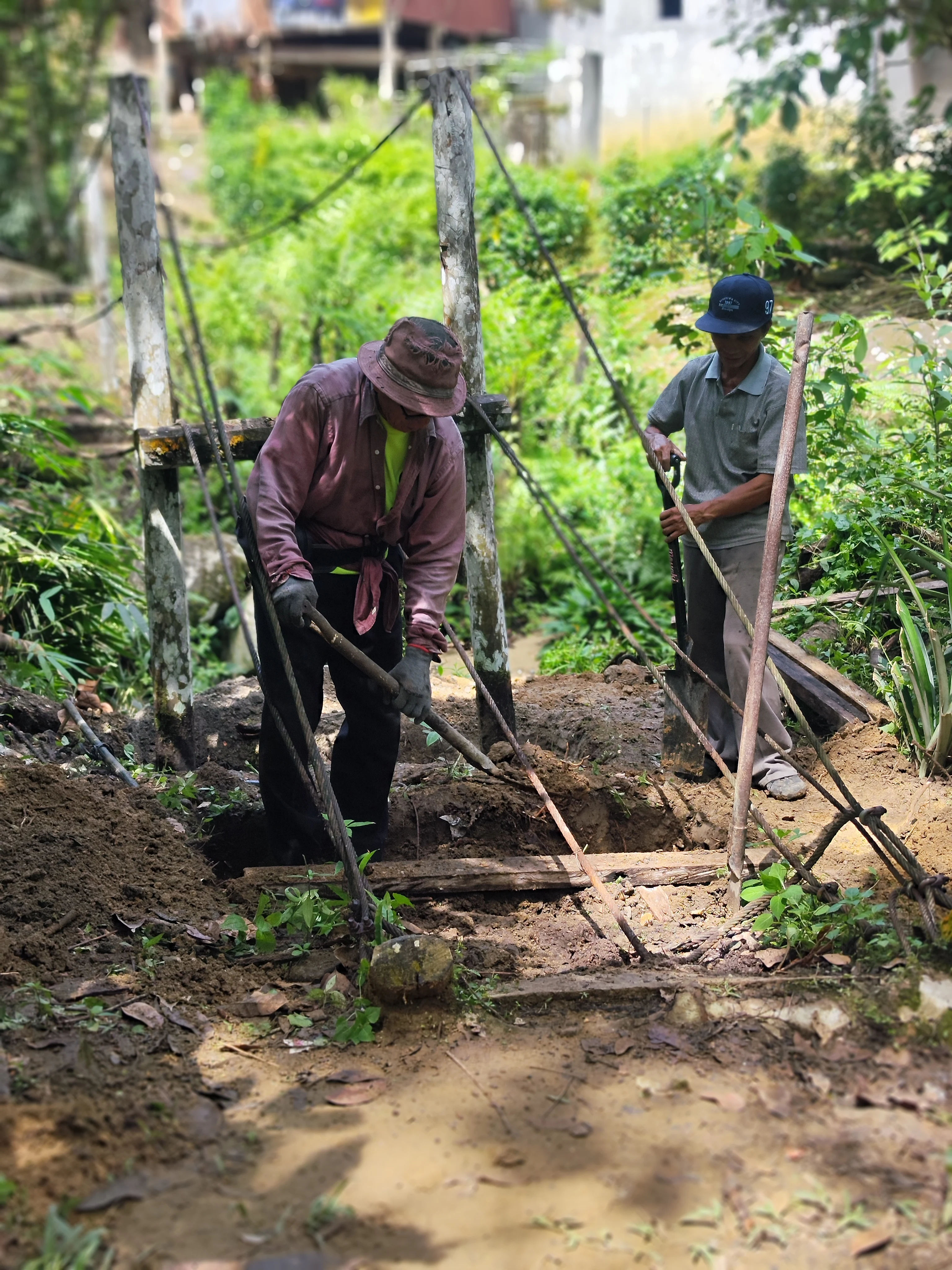
Stick around for more updates as the repairs continue — we can’t wait to show you the full transformation!
Update 10
Big news from Kampung Bukit Bendera!✨
The villagers have started dismantling their broken bridge and cutting recycled tires to create a more sustainable crossing path.


This is the first step toward rebuilding their lifeline to farms and essential services. Stay tuned as we share more updates from this community!
Update 9
Before the bridge collapsed, it only took minutes to cross🚶
Now, 30 families in Kampung Bukit Bendera spend over an hour trekking through steep jungle trails, carrying heavy buckets of latex just to get to their farms and back.

This 30 meter suspension bridge once connected them to their livelihoods. But after years of damage, it became unsafe… and eventually, unusable.

With no safe way across, every journey is longer, riskier, and far more exhausting.

And they’re not alone. Across rural Sabah, many families face the same struggle — students walking further to reach school, mothers balancing harvest loads, farmers losing time and income just getting to work.
A bridge should mean progress, not danger.
Update 8
If this broken bridge is your only route to work or school, would you be willing to cross it everyday?
Every day, Puan Dewi and her two young children—along with nearly 2,000 others in the remote Sayap village—cross this broken bridge to get to school, their farms, and back home everyday. It’s unsafe, unstable, and yet, the only shortest route🚶♀️

The Pinapakan bridge, built mainly from wood and bamboo, has stood since the 1980s, surviving decades of harsh weather and makeshift repairs.

But time has taken its toll. With every step, villagers risk slipping through broken planks, getting caught on rusty nails, or worse—falling into the swollen river during monsoon season ⚠️😨
For Puan Dewi, crossing this bridge is a daily fear—but she has no choice. It’s her only path to her farm and home.

“My children use this bridge every day. It’s terrifying. They fear falling into the river below.” – Puan Dewi, mother of two.

Like many in her village, she doesn’t ask for much—just a safe way for her children to go to school and a secure path for farmers like her to sustain their livelihoods.
Update 7
Click in to see Kampung Sayap's bridge wild transformation from before and after!


Previously, crossing this bridge was a gamble. The old wooden planks were falling apart, the rusted chain links creaked with every step, and you could feel the tension when it rained.
Aside from using purlins and galvanized chain links to reinforce the structure, they also collected and used recycled tires to build a sturdy foundation for the bridge—all while cutting down on waste and helping the planet🌍

These tires aren’t just budget-friendly—they’re as tough as “The Hulk”. Rain or shine, they can handle it all, thanks to their incredible flexibility and resilience. Unlike wood, they need way less maintenance, giving the community with more stability and less worry about long term repairs!
Watching the villagers work, you could feel the pride in every step they took. This wasn’t just about fixing a bridge—it was about doing something for their community, something that would last for years.

Now, instead of wondering whether the bridge will hold up, the whole village has something to be proud of. A bridge built by their own hands, using smart, sustainable choices—and that’s what makes it even more meaningful.
Update 6
Meet Encik Zebod, a dedicated villager from Kampung Sayap, rolling up his sleeves with the rest of the community to repair their suspension bridge.

This time, they’re not using regular wooden planks. Encik Zebod is replacing them with purlins—yes, the same kind often used for roofing! But they work incredibly well here too.
From our experience, purlins hold up much better than wood when it comes to outdoor wear and tear. They resist rust, don’t rot easily, and can handle Sabah’s unpredictable weather like a champ.
They may cost more upfront, but for a bridge that hundreds rely on every day? It’s an investment that makes a whole lot of sense.
Update 5
The bridge in Kampung Sayap had served the villagers for years. But over time, the PVC chain link that once held it together began to rust. Each crossing grew more nerve-wracking—especially on rainy days, when the bridge creaked just a little too much.
The villagers knew it was time for a change.
After a community discussion, they made a bold decision: switch to galvanized chain link. It’s stronger, rust-resistant, and built to last. It wasn’t the cheapest option, but everyone agreed: safety came first.
When the materials arrived in heavy rolls, the villagers didn't wait for help. No contractors. No outside crews. Just pure teamwork and skill. Bit by bit, they rebuilt the entire bridge with their own hands.

Watching them work was nothing short of inspiring. Every effort reflected their commitment to their community. And the best part? The money saved from not hiring contractors was channeled into better quality materials for the project.
It’s a perfect example of how resourcefulness and teamwork can make a big difference in creating something that lasts.
Update 4
The Kampung Sayap villagers are loading up more purlins before heading deep into the jungle to repair their bridge.

It might look simple in this photo—but behind the scenes, it’s a long trek through steep, slippery jungle trails. Definitely not your average morning walk for us city folks!
But for them? It’s just another day in their “jungle gym”—part of their daily routine, and done with grit and heart💪
Update 3

The villagers are gearing up for a gotong-royong, excited to walk from the village to the bridge (their project site). The women usually take charge of preparing delicious meals, filling the air with wonderful aromas, while the men gather and carry materials to the site.
They’ll usually spend the entire day working side by side, fixing the bridge and ensuring that everyone shares in the workload. This is the true essence of community spirit, where everyone comes together to support one another.
Every time we look back at these moments in our photo album, we’re reminded of the beauty of these shared experiences. It’s not just about repairing a bridge; it’s about strengthening our bonds and creating lasting memories together.
Update 2

This is the reality of rural life—villagers carrying over 15kg of heavy baskets to their farms daily, trekking challenging trails, and crossing shaky bridges to support their families. It’s a reminder to appreciate what we have because we often don’t see the struggles behind a smile. These community journeys are more than daily routines; they’re powerful lessons in resilience, values, and inspiration that leave a lasting impact.
Update 1
Here’s one of the bridges in Kampung Sayap that connects the village to the farms.

For many villagers, it’s a crucial daily route they rely on. Sabah’s natural beauty is breathtaking, but it can also be quite wild—just take a look at the river flowing beneath this old, broken bridge.

Now, picture yourself crossing it every day, even in the rain. Would you dare to? (P.S. This bridge has been standing for decades!
Testimonials

Anonymous donor
has donated MYR 10
Anonymous donor
has donated MYR 10