Sustainable Fish Farming to Improve Nutrition for Rural Families in Sabah
Many rural families in Sabah rely on farming to support their daily needs, from putting food on the table to covering essential expenses like education and healthcare.
Our goal is to help these families build sustainable, self-sufficient food systems that improve nutrition and create more stable sources of income. We do this by equipping them with practical skills, resources, and long-term support to achieve this.
Our approach is progressive. Families first build confidence through vegetable farming, and those who show strong progress are further supported to begin fish farming, creating an additional source of nutrition and income.
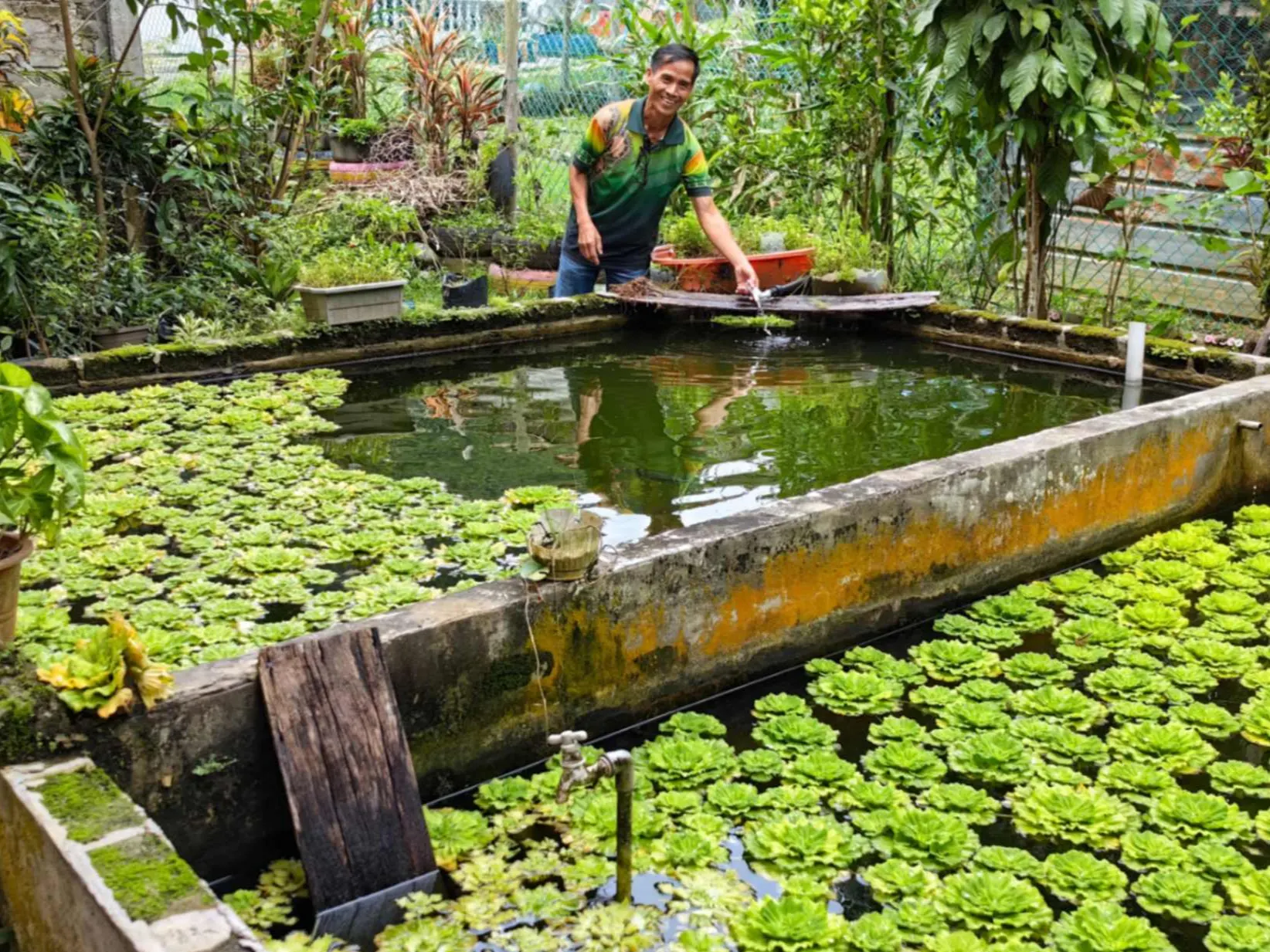
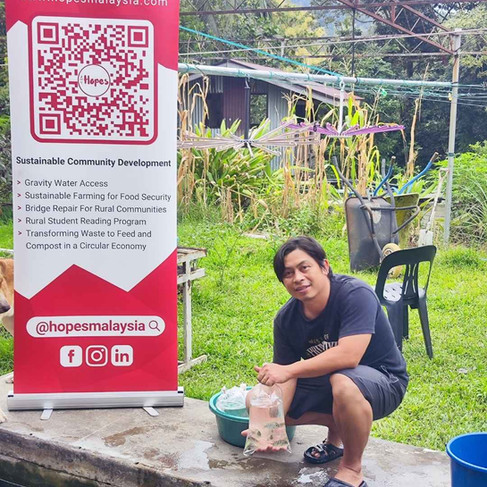
One of Hopes Malaysia's rural farming beneficiaries standing proudly by his fish pond.
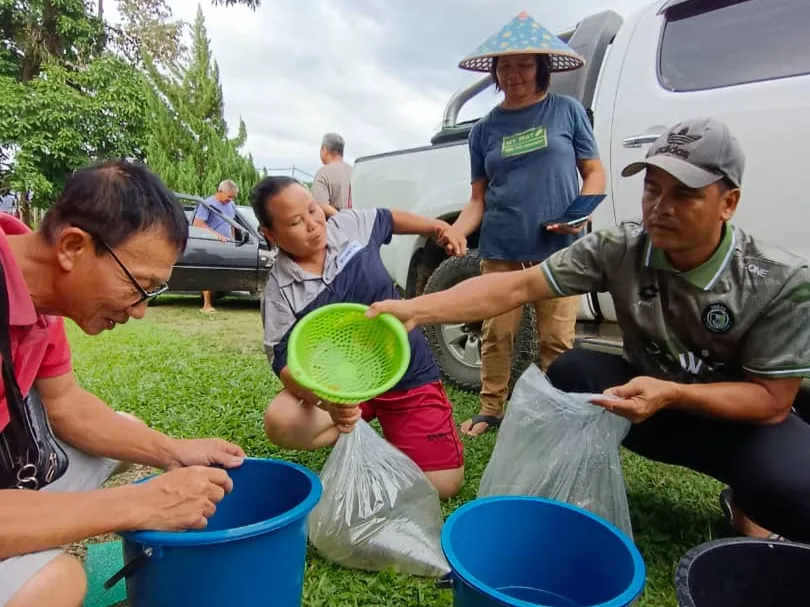
Distributing fish fry to rural villagers to support farm expansion and enhance their protein intake.
A rural farmer feeding her fish with the repurposed pellets.
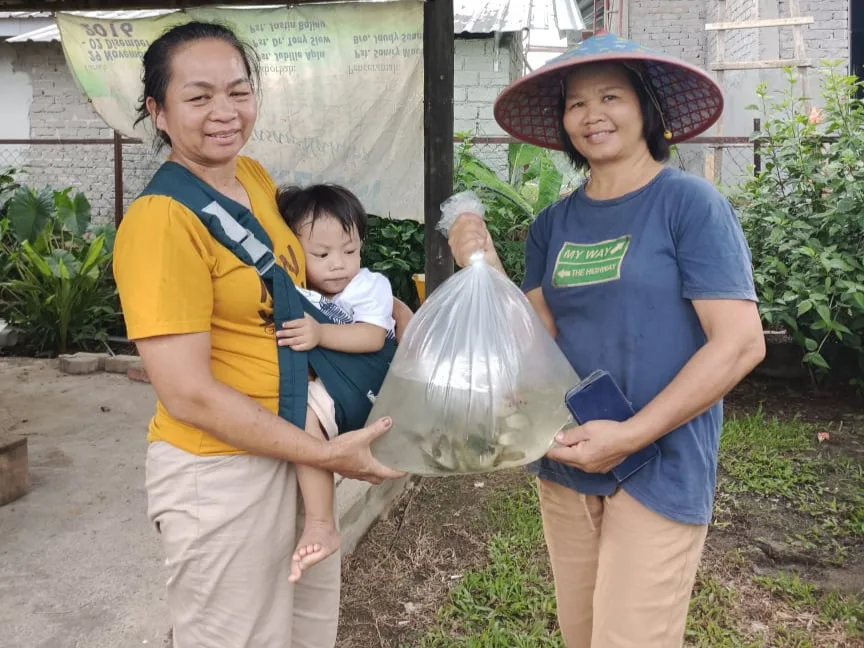
Rural farmers excited to farm fish, boosting their families' long-term nutrition and health.
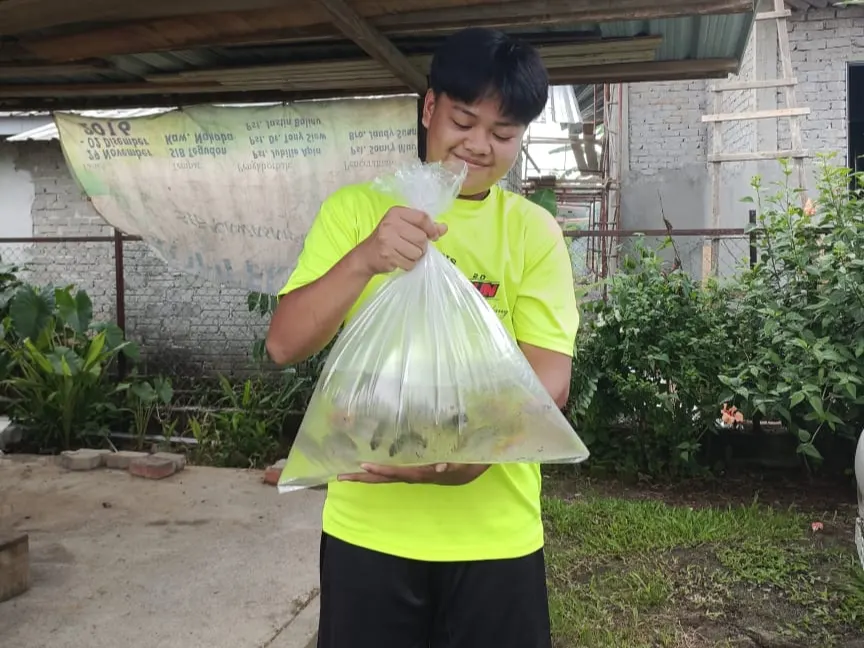
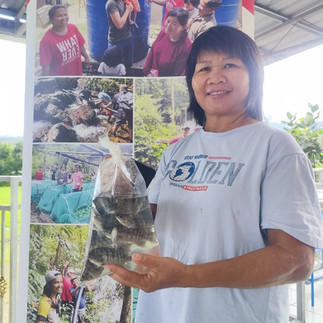
One of the rural farming beneficiaries with their fresh, self-grown fish harvest.
Fish farming provides a reliable source of protein, helping families improve their diets and support the healthy growth of their children. It also offers an opportunity to generate extra income, strengthening overall household stability.
How This Initiative Creates Impact
1. Expanding Access to Fish Farming
We provide fish fry, basic training, and ongoing guidance to rural families who are ready to take the next step in their farming journey, enabling them to start and sustain small-scale fish farming within their communities.
2. Improving Nutrition and Reducing Food Costs
By raising their own fish, families gain regular access to protein, helping them build more balanced diets while reducing household food expenses and reliance on external food sources.
3. Creating Sustainable Livelihoods
Fish farming offers families a practical way to diversify their income. Over time, this helps reduce financial pressure and build greater economic stability at home.
How Corporate Volunteers Contribute
Corporate volunteers can take part in on-ground activities by visiting rural communities and supporting farmers in their daily fish farming work.
Distributing fish fry to rural families, helping them begin sustainable fish farming
Volunteers assisting rural families in releasing fish fry into the pond
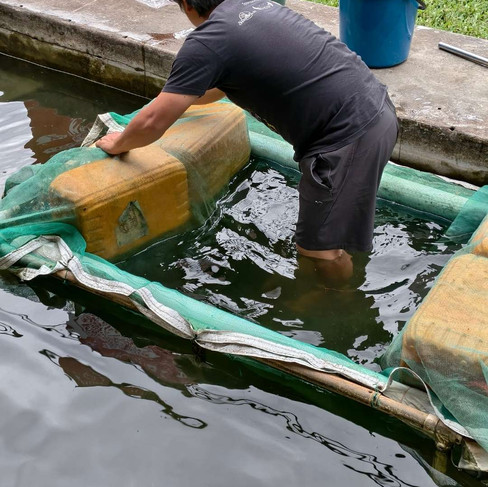
This includes assisting with tasks such as harvesting fish fry, transferring them into net ponds, and preparing feed where applicable, offering hands-on support while gaining a deeper understanding of the farming process.
These experiences not only support ongoing work on the ground, but also create meaningful connections between volunteers and the communities they engage with.
Building Long-Term Resilience
Fish farming is designed to be low-cost and manageable within existing environments, fish farming allows families to gradually become more self-sufficient. Combined with vegetable farming, it creates a more complete and sustainable food system at the household level.
Over time, this approach strengthens resilience, supporting better nutrition, more stable income, and greater confidence for families to sustain themselves independently.
Update 18
Look at those smiles!
Our hardworking farmers from Kampung Tegudon have just received new fish fry from us, helping them expand their farms and more importantly, bring home a more reliable source of protein for their families.
This simple step not only improves daily nutrition, but also strengthens long-term food security and reduces dependency on unstable daily wage incomes that many families previously relied on.
With more produce in hand, these farmers can even sell their extra harvest to nearby communities or at local Tamu markets, creating better income opportunities and a more sustainable future.
Update 17
Take a look at these big catches from Efandi’s farm, he’s in the middle of cleaning the fish, getting it ready for a hearty family dinner!
A few years back, Efandi started with just a small pond, barely enough to feed his own family. Today, he not only has enough for his household, but he also supports other rural farmers around Kota Belud by supplying fish fry!
His growth is helping more families diversify their farms and improve their protein intake, a powerful ripple effect that began from one simple pond.
This is the power of sustainable growth. It starts small and quietly, but when it finally blooms, the results are truly beautiful — just like watching a tree grow and finally bloom with vibrant flowers!
Update 16
Here’s a quick update from one of our farmers, who just shared this little clip of herself feeding her fishes.
It may not be the clearest or nicest video, but updates like these truly means a lot to us!
They not only show her commitment and care in maintaining her farm, but they’re also an important part of our monitoring process. Regular updates like these help us see how well farmers are managing their farms or ponds, and whether they’re ready for additional support to expand sustainably.
These small moments remind us of the daily efforts that quietly build toward long-term food security for their families.
Update 15
Look at these children, so excited to have caught their very own fish from the family pond!
This is one of the beautiful outcomes of sustainable farming. When families grow their own vegetables and raise fish, they get to diversify their meals with both fresh produce and protein-rich fish.
More variety = better nutrition, stronger bodies, and healthier growth for the whole family!
Small harvests like these may look simple, but they’re powerful steps toward long-term food security and better health.
Update 14
Fun Fact: Did you know it’s best to separate bigger fish from younger, smaller ones before introducing them into the same pond?🐟
Just like what Ezra is doing here (pic 1)!
He built a small segregated section in his pond to welcome the smaller fish fry he just received from Hopes Malaysia!
Separating them first helps reduce stress, prevents bullying from larger fish, and ensures the little ones don’t get outcompeted during feeding. Once they’re stronger and stable, then they can safely join the main pond for a healthy, balanced ecosystem!
Update 13
Aside from using specially repurposed feed, some farmers also give their tilapia extra vegetables from their farms, just like this farmer here!
And here’s the best part — because we teach them to grow their veggies without pesticides, the fish can safely eat them, and when families harvest the fish, it’s completely healthy and nutritious too!
What would otherwise go to waste is transformed into nutritious feed, helping fish grow strong while reducing food waste.
This creates a fully sustainable, zero-waste loop — fresh veggies for meals, extra harvest to sell, and protein-rich, healthy fish for the family.
Update 12
Just like Puan Soris in the picture — she’s now building her very own fish pond, ready to raise tilapia for better protein intake!
By combining vegetable farming with fish rearing, families like hers can enjoy a more reliable food supply and a stronger, more resilient livelihood.
With the right guidance and support, these small ponds and farms grow into thriving, self-sustaining food systems, helping families secure both nutrition and opportunity for the long term.
Update 11
In many rural communities, accessing affordable protein is a daily challenge, especially with rising prices. That’s why we’re encouraging families to rely on themselves by rearing freshwater tilapia right at home.
With just a small pond or tank, families can grow nutritious fish for their own meals and sell any extra harvest to generate income. It’s a simple, sustainable way to improve nutrition, strengthen food security, and build financial stability.
How it works:
Families receive tilapia fish fry and guidance on safe rearing practices.
With proper care, the tilapia grow into healthy fish ready for consumption.
Extra harvest can be sold locally, providing families with income for school fees, healthcare, or other essentials.
This project gives families more than just fish — it helps them gain nutrition, independence, and the opportunity to thrive sustainably.
Update 10
Look at this aunty—just chilling by her fish pond, feeding her fish🐟
But wait… see that green water? You’re probably thinking, “Ewww… that can’t be clean, right?”
Surprise! That greenish water isn’t dirty—it’s actually packed with nutrients! All that fish waste turns into natural fertiliser that helps our vegetable gardens thrive. No chemicals. Just nature doing its thing.
Every day, she collects this nutrient-rich water and uses it on her raised beds to nourish the soil—keeping the cycle going strong.
It’s all part of a closed-loop system:
✅Gravity brings water to the pond
✅Fish live and grow
✅Their waste becomes fertiliser
✅That fertiliser feeds our veggies
Nothing wasted. Everything connected.
It’s a perfect example of nature’s brilliance. When we care for it and use it wisely, nature gives back abundantly. Let’s cherish and nurture this cycle to build a sustainable future, one step at a time.
Update 9
Is the trash really the only place expired food should go? Maybe Not!
Watch the full video to see how expired food could actually be transformed into GOLD for the rural farmers!
Update 8
What do you do when livestock feed is too expensive?
You learn to make your own — using what others throw away.
Last week, Sebitin and Jemer’s families from Tinata Ulu made a special trip to Efandi’s home to learn a skill that could change the way they farm.
Efandi with Sebitin and Jemer's family
They're working together to smash the sold expired food into smaller pieces
From smashing expired dry goods to mixing in nutrient-rich ingredients, they jumped right in — eager, hands-on, and determined. For the first time, they even got to try out a pellet machine, transforming food waste into something nutritious and sustainable.
And the best part?
They now get to feed their Tilapia with something they made themselves — with heart, care, and purpose.
Small steps like this aren’t just practical — they empower rural families to become more self-reliant, one step at a time!
Update 7 (Part 3)
What if one small idea could transform an entire farm into a self-sustaining ecosystem?
At Efandi’s farm, we started experimenting with self-produced feed—not just for tilapia, but also for his chickens and rabbits.
Efandi and his wife feeding the pellets to their rabbits
Efandi's chickens eating the repurposed feed pellets
These animals became more than just livestock. The fish provide a healthy source of protein, the chickens and rabbits help balance the ecosystem, and their waste turns into organic fertilizer for growing vegetables.
This created a self-sustaining loop—an integrated farming system that cuts costs, diversifies food sources, and offers long-term benefits to rural families. At the same time, it tackles environmental issues like food waste and landfill overflow.
The beauty of this system is its simplicity and effectiveness. By optimizing every part of the loop, we’ve ensured a steady supply of resources, helping families thrive sustainably.
Update 6 (Part 2)
In 2024, we discovered a game-changing way to self-produce our own fish feed and cut down on feed costs.
Feed has always been one of the biggest long-term challenges for rural farmers, especially with prices constantly rising. It had become a silent burden — until we figured out how to turn expired food waste into nutritious fish feed.
For over 6 months now, we’ve been using these repurposed pellets to feed our tilapia fish, and the results have been incredible. The fishes are growing healthier, with no signs of sickness.
This method is not only affordable, but also eco-friendly, and it's helping rural families reduce expenses while boosting fish health🐟
What began as a small experiment has now become a sustainable solution, and we couldn't be happier with how far it's come. But the story doesn't end here…
Update 5 (Part 1)
Ever wondered what happens to all the expired food in warehouses? In Malaysia, more than 39 tonnes of waste end up in landfills every day. That’s a huge environmental issue—but what if we could turn that waste into something useful?
Here's Efandi, collecting expired food from a warehouse in Kota Kinabalu⬇️
Boxes of expired food ready to be collected by Efandi
Efandi loading boxes of expired food onto his car.
While our main mission is to support rural communities, we've also been experimenting with innovative ways to address environmental challenges that can benefit these rural communities at the same time.
Not every experiment worked—but each step brought us closer to something practical, impactful, and sustainable.
Stay tuned for Part 2, where we reveal the breakthrough from this journey — one that helps both rural families and the environment in one go.
Update 4
Look at this fish, it's bigger than than the palm! 🤯
This impressive catch comes from one of our hardworking beneficiaries who's been raising fish through our sustainable farming initiative. Whether it’s steamed or fried, it’s a healthy, tasty source of protein that can feed an entire rural family.
Rather than simply providing monetary support, teaching families how to farm fish is far more impactful and brings long-term impact. While the process takes time, the rewards are deeply meaningful. Families not only have food on the table, but they can also sell extra fish to neighbors or at the market to earn extra income💪
It’s stories like this that keep us going. They remind us that real change happens when we empower communities to grow, thrive, and support themselves. Here's to building a future where sustainability isn’t just a dream but a reality!
Update 3
Efandi acclimating tilapia fish fry before distribution to farmers.
This is how we distribute fish fry among the villagers: everyone comes to collect their share. Efandi always tries to select slightly larger fish fry because, from his experience, they are 'lagi tahan,' meaning they are healthier for raising and can endure long-distance transportation from Efandi's place to other villages.
Update 2
Efandi with a few bags of fish fry for a fish hatchery experiment.
Efandi is putting fish into a small pond to test the hatchery system.
Our first attempt at outdoor fish hatchery in 2018 turned out to be more challenging than we had expected! From dealing with pest issues to managing feed costs, we faced our fair share of hurdles. The first year was filled with trial and error, but we pushed through and ultimately made it work.
Together with Efandi's family, we’ve learned invaluable lessons from these experiences. Today, we’re still continuously refining our methods and are eager to share our knowledge with more families in need. By passing on what we’ve learned, we can help other rural families avoid common mistakes, improve the success rates of their fish farming projects, and empower more communities to thrive.
It’s amazing to see how overcoming challenges can lead to growth—not just for us but for everyone involved. We believe that by sharing our journey, we can inspire others to embark on their own paths toward sustainable farming and community resilience.
Update 1
Efandi's fish pond in 2018
Efandi's fish pond in 2021
Since 2018, we’ve been running a hatchery fish farm at Efandi’s home, where we raise freshwater tilapia in a pond that has thrived for years. The fish fry from this pond aren’t just for us—they’re shared with villagers in Kota Belud, supporting their livelihoods and improving food security. Efandi’s family has lovingly cared for this farm from the very beginning, ensuring its success.
I still vividly remember the day we hired a tractor to dig out the land, right after completing the gravity water system in Kampung Bokilong, Efandi’s village. Looking back, it was one of our best decisions. That simple act of digging turned into something much bigger—today, this farm helps us provide fish fry to even more villagers in need.
It’s incredible to witness how one small initiative can create a snowball effect of positive change. What started as a small step has grown into something that uplifts entire communities, and it’s a reminder of how impactful collective efforts can be. Let’s keep this momentum rolling!